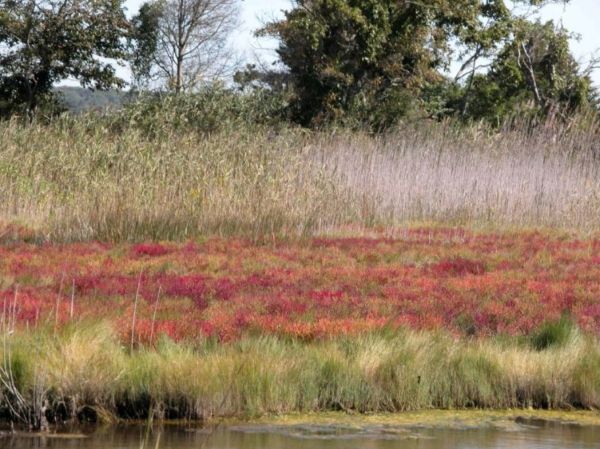
Wetlands Habitat and Mosquito Management (WHAMM) Program 2014
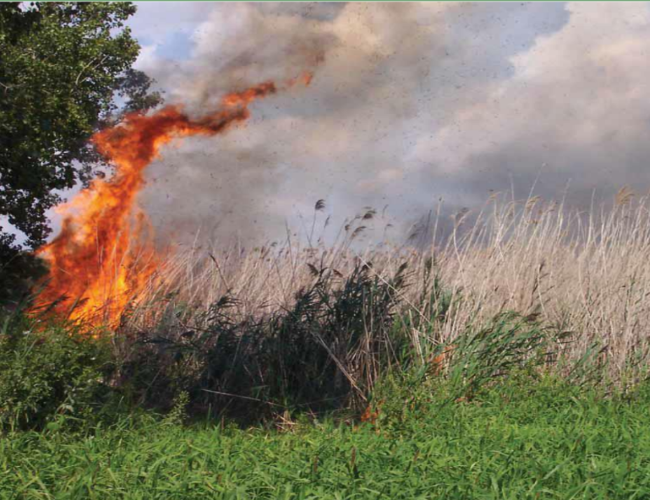
Phragmites Fire
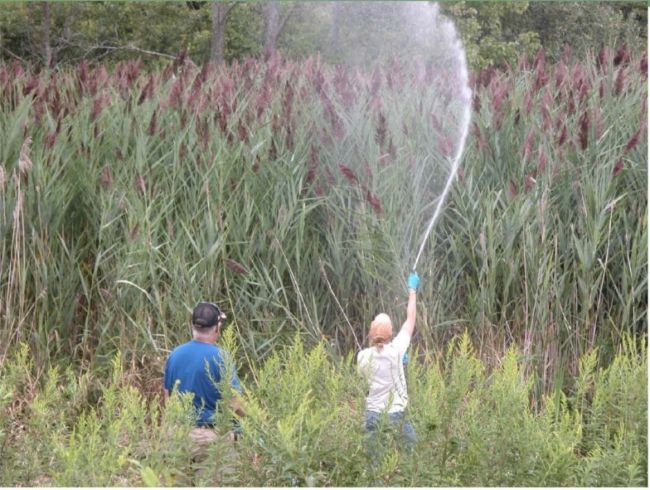
Phragmites Herbiciding
- Imazapyr herbicide can be used in July on green Phragmites growth (winter mowing is suggested first)
- Glyphosate herbicide can be used after the seed head forms.
- Do not cut the Phragmites plant down before the spraying
Phragmites Herbicide Toxicological studies
- Glyphosate and Imazapyr bind up with soil particles where microorganisms break it down to carbon
dioxide, nitrogen, phosphate and hydrogen in a matter of weeks. - When used appropriately, it has been shown to be nontoxic to invertebrates, fish, birds and animals and it does not bioaccumulation.
Phragmites Control
- 1st year: Mow Phragmites first in winter
- 2nd year: Herbicide Phragmites throughout the marsh to achieve 80-90% control depending on herbicide used
- 2nd year: Mow where needed
- 3rd year: Herbiciding and mow where needed
- 4th year and on: Very little maintenance needed
Freshwater for spraying Drift control agents
- Can not use water from the river or pond because the sediment will bind up with the Herbicide and the
herbicide inactive. - Use a clean freshwater supply for mixing
- Use Modified Vegetable Oil with Imazapyr
- Use Penetrate Acidifier Deposition and Drift Control Agent with glyphosate
Phragmites in CT is the non-native type associated with Europe
- A study by Saltonstall from Yale found Phragmites in CT to be related to the non-native type associated
with Europe and Asia. PNAS, Feb 19, 2002, Vol. 99 No.4 - This Phragmites is the dominate “M” type and spreads by vegetative growth.
- Rapid expansion resulted from human activities causing habitat disturbances or stresses such as pollution.
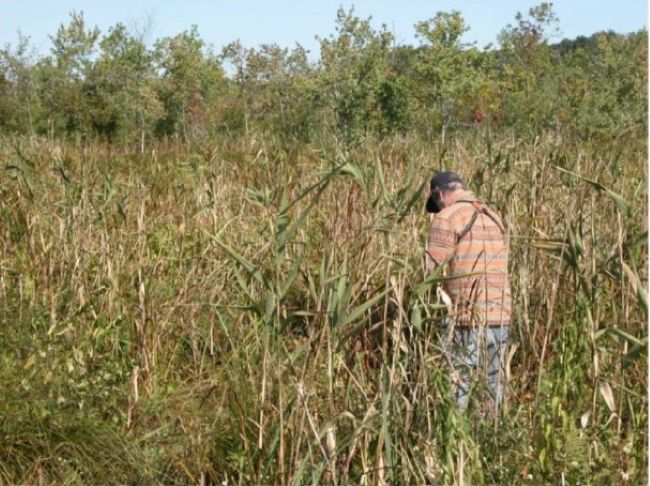
Phragmites height can vary depending on salinity in the area. This was over 18 feet in height.
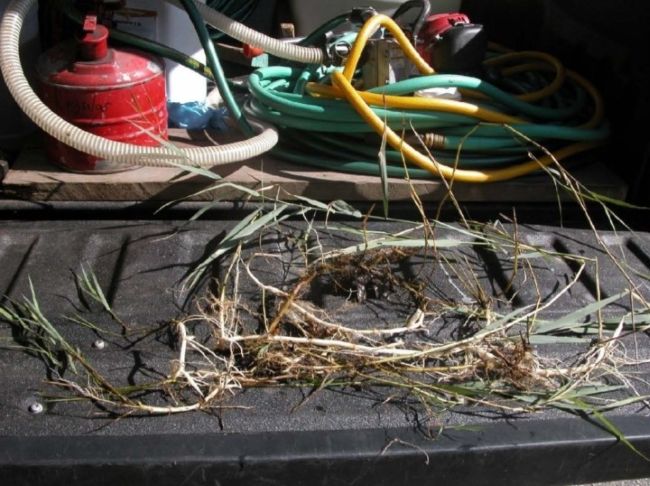
Phragmites can spread by rhizomes and stems
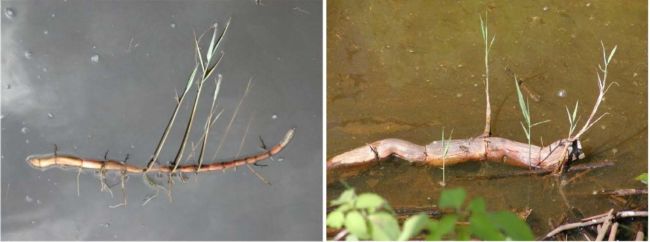
Young Phragmites found at Lake Terramuggus in Marlborough in sandy area
Native Phragmites in CT
- Native Phragmites is in several locations on the CT River, on Selden Island
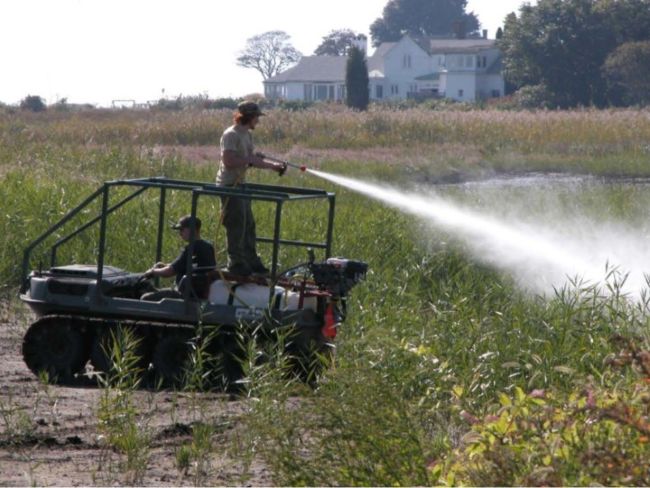
Phragmites spraying by the WHAMM Program crew at Fenwick in Old Saybrook
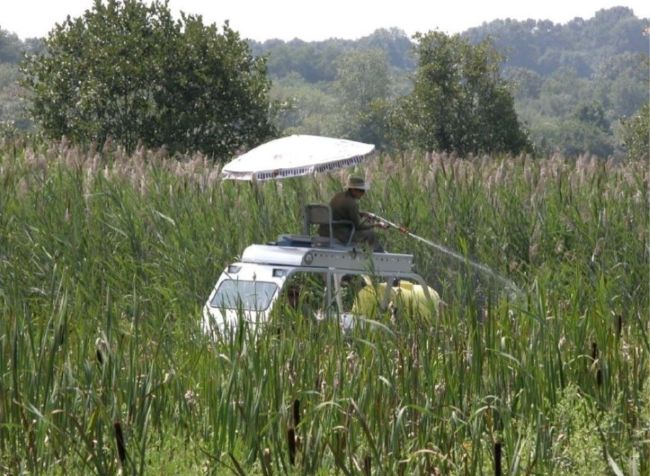
Phragmites spraying at CT Audubon Property in Ashford
Marsh Master at Ross Marsh

Phragmites hand wiping at National Audubon in Sharon

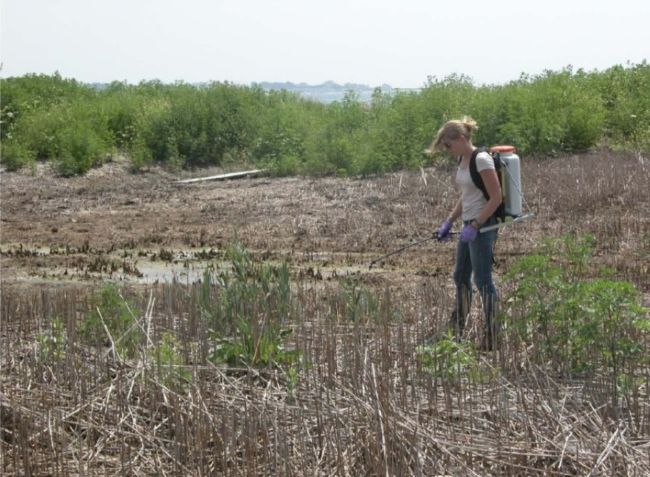
Phragmites spraying by backpack
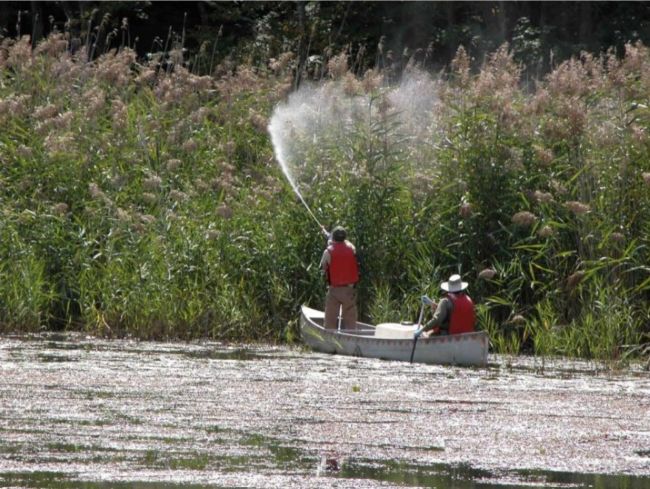
Phragmites spraying by canoe at National Audubon in Sharon
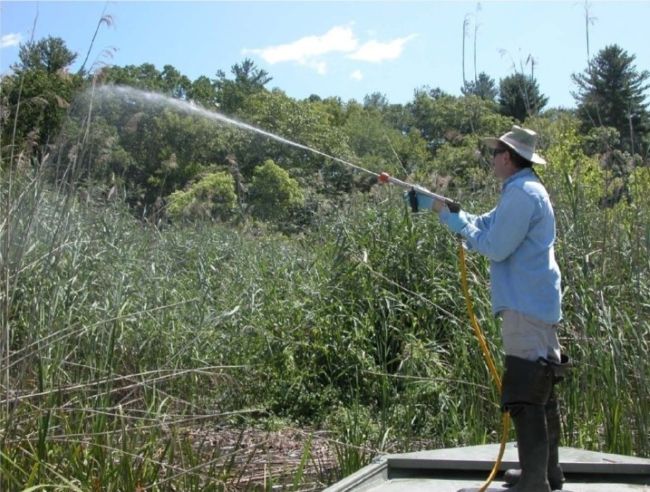
Phragmites spraying by boat at Joshua Creek in Lyme
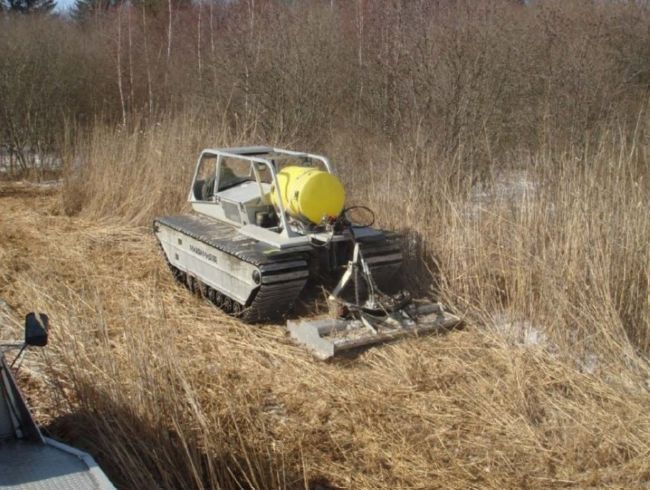
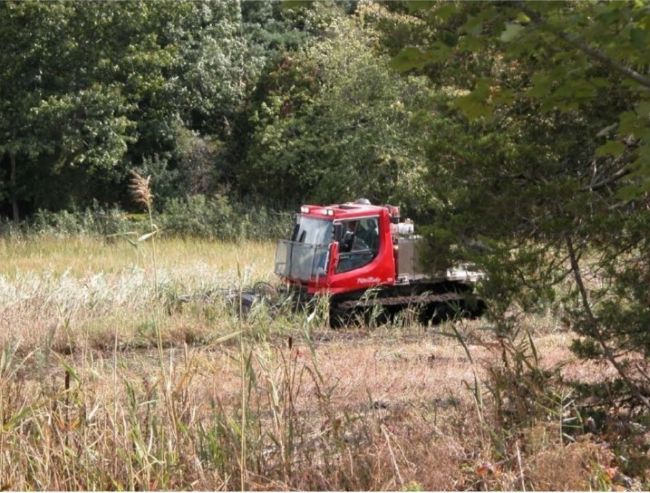
Mowing Phragmites with the WHAMM Program Marsh Master II (low ground pressure >1.25 psi amphibious machine).
Mowing cutter head on WHAMM Program Pisten Bully 100 AS Flail Mower.
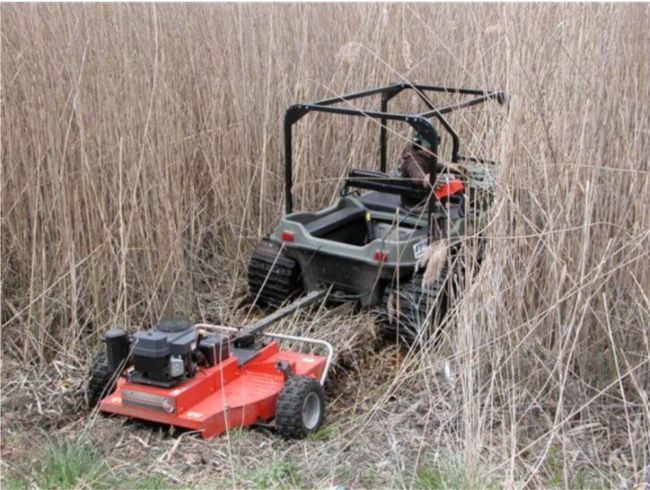
Phragmites mowing using ARGO
Hand cutting Phragmites

Permits
- Aquatic Permit for Phragmites control is needed if the Phragmites is in standing water (like a pond).
- Check with DEEP Pesticide Division
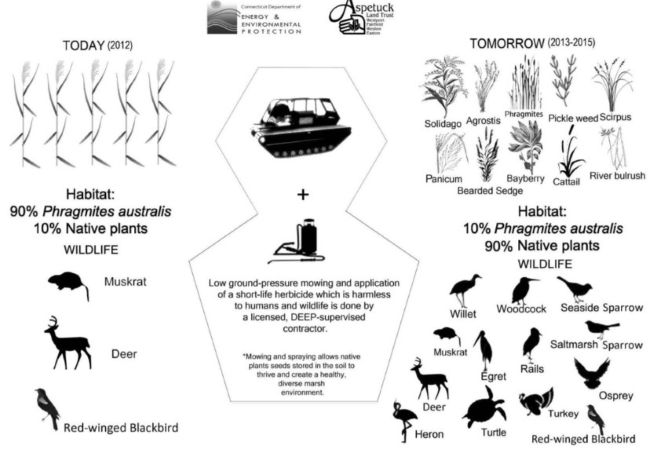
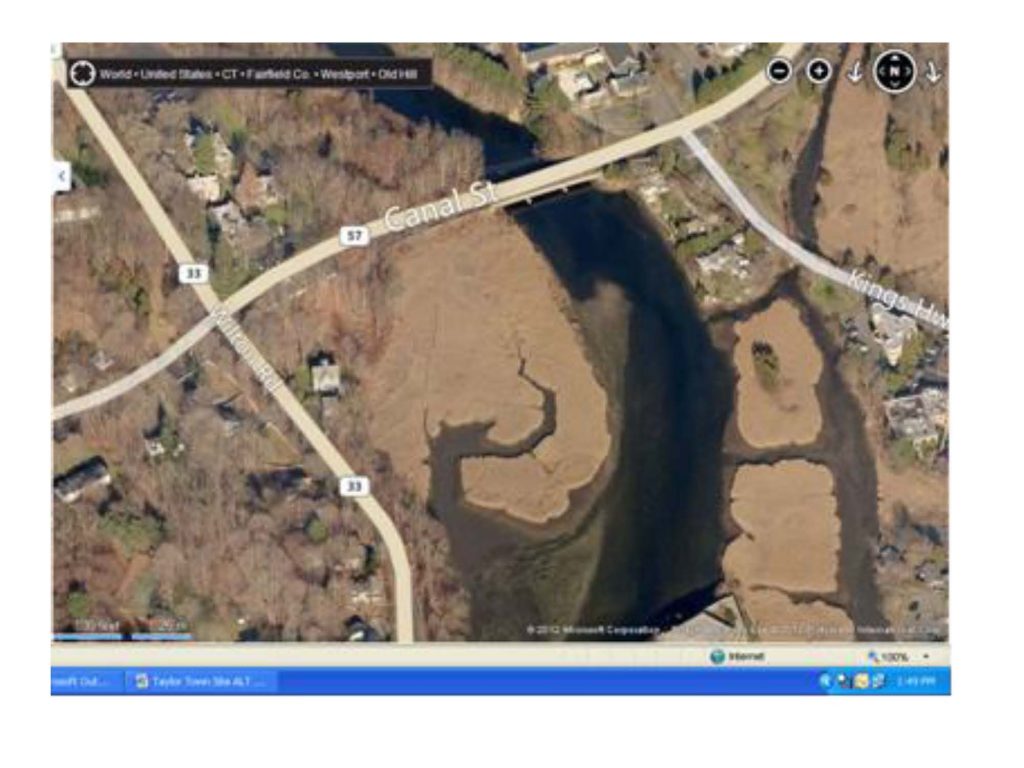
Control of Invasive Phragmites australis in the Saugatuck River Watershed
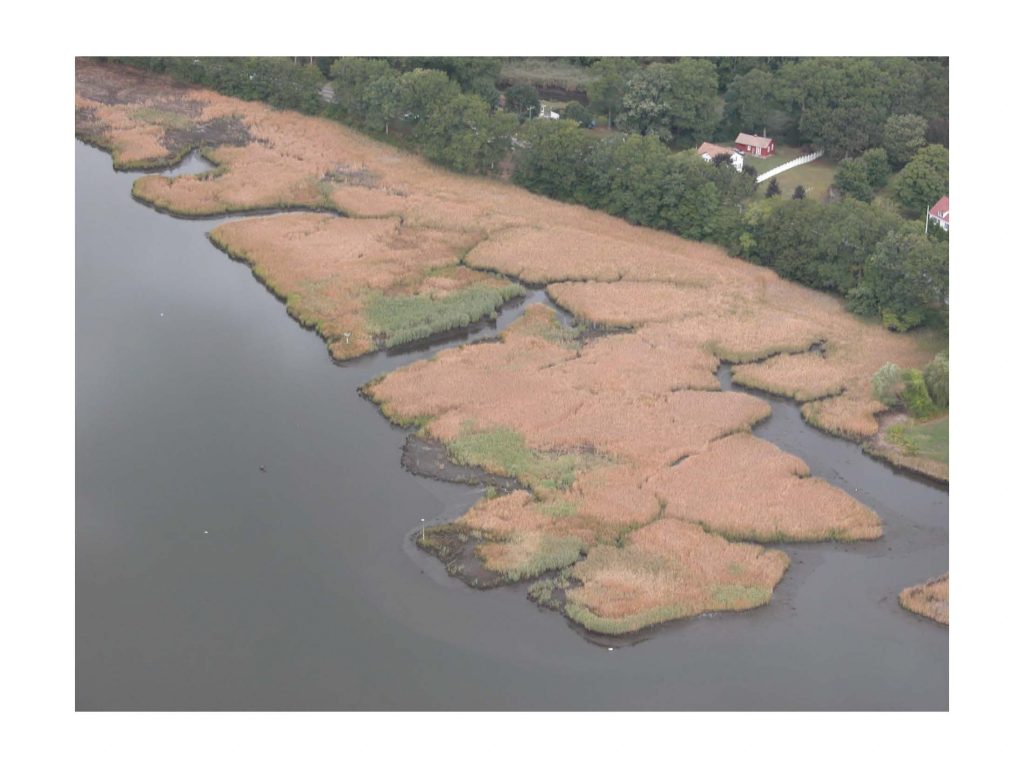

CT River restoration site